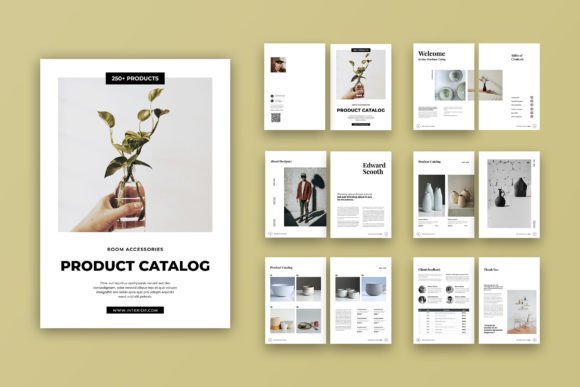
Streamline Your Workflow with the Catalog Room Accessories Product
When you are managing a business or running a design agency, the gap between a great idea and a finished product is often time. We have all been there—spending hours trying to align margins, fix bleeds, or search for the right typography just to get a basic layout started. The Catalog Room Accessories Product template is designed to close that gap instantly. It is not just a collection of pages; it is a professional framework built in Adobe InDesign that prioritizes efficiency without sacrificing high-quality aesthetics. If you are looking to present your work with a polished, editorial look while saving on production costs, this template offers a practical solution.
The Anatomy of Professional Editorial Design
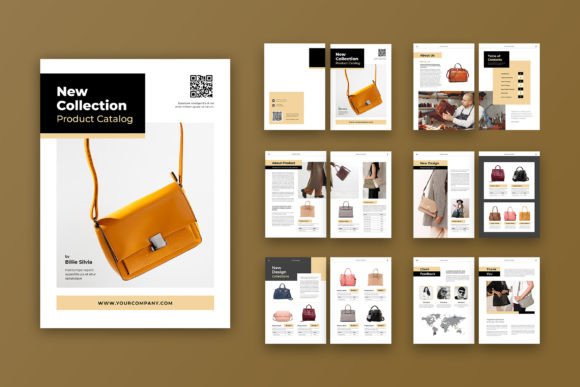
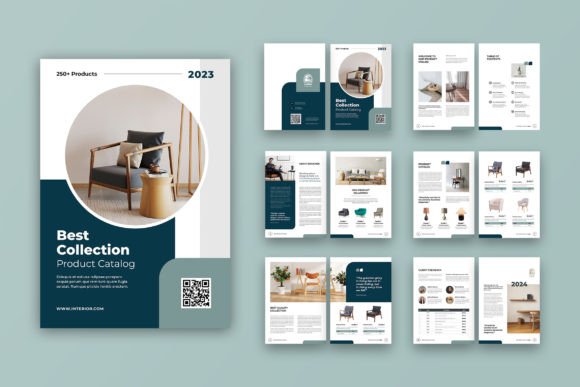
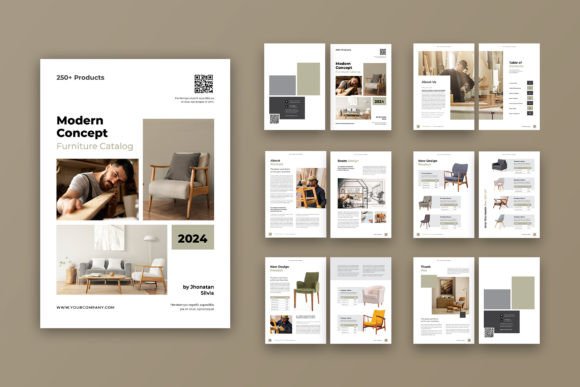
The visual appeal of the Catalog Room Accessories Product lies in its clean, modern typography and structured layout. At its core, it embraces the principles of modern typography, where negative space is just as important as the content itself. The template is set up in a standard A4 format (21cm x 29.7cm), which is the industry standard for lookbooks, portfolios, and product sheets. This familiarity ensures that your audience knows how to navigate the content immediately.
One of the standout features is the professional finish. It is formatted in CMYK at 300 DPI with a 3mm bleed, meaning it is strictly "Ready Print." You do not need to worry about converting color spaces or accidentally cutting off important text at the printer. The layout uses a grid system that helps establish a clear visual hierarchy. Whether you are using a serif font for body text to convey tradition and reliability, or a sans serif font for headings to keep things sharp and contemporary, the grid ensures everything stays balanced. This structure is vital for brand identity because consistency builds trust.
Maximizing Impact Across Different Mediums
While the name suggests a focus on accessories, the utility of the Catalog Room Accessories Product extends far beyond a single niche. Because the design is neutral yet sophisticated, it serves as a versatile canvas for various industries.
- For Product-Based Businesses: Use it for packaging design inserts or wholesale catalogs. The smart layers allow you to drop in high-resolution product photography without distortion. If you sell home goods, fashion, or stationery, the clean lines ensure your items remain the hero of the page.
- For Digital Creators and Bloggers: Adapt the pages for digital lookbooks or media kits. In the realm of web design and digital marketing, a downloadable PDF that looks professional can significantly boost your perceived value. It is an excellent way to present a creative font collection or design assets to potential clients.
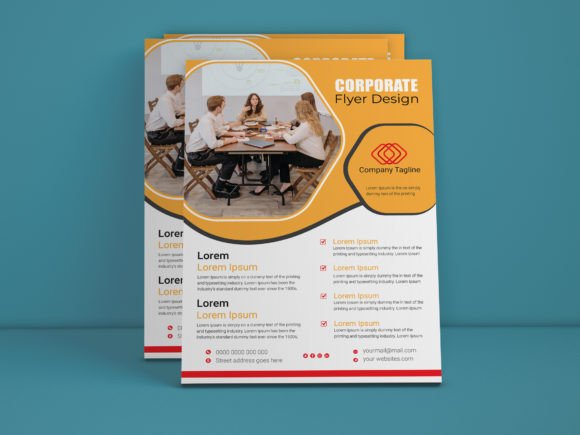
- For Corporate Use: Entrepreneurs can utilize this for annual reports or investor presentations. The structured layout implies organization and competence—key traits when trying to secure funding or partnerships.
The template is also perfect for social media graphics. You can easily isolate specific pages or sections to create cohesive Instagram carousels or Pinterest pins that match your physical print materials. This cross-platform consistency is a hallmark of strong brand identity.
Practical Guide to Customization and Font Pairing
Using a template effectively requires a bit of strategy, particularly regarding typography. The Catalog Room Accessories Product includes free fonts, which is a great starting point, but you may want to customize the typeface to match your specific brand voice.
When you open the file in Adobe InDesign (using the .indd or .idml files), you will find neatly organized layers. This is crucial for easy editing. Do not just replace the text; think about the font pairing. If your brand uses a bold display font for logos, try pairing it with a simple, readable body text. Avoid using a script font or handwritten font for large blocks of text; reserve these decorative styles for pull quotes or accent headers to maintain readability.
Here is a practical workflow for making this template your own:
- Brand Audit: Before opening the file, gather your hex codes or CMYK values, your logo files, and your chosen primary and secondary fonts.
- Image Selection: The note states that preview images are not included. This is actually a benefit. It forces you to use your own high-quality photography. Ensure your images are at least 300 DPI to match the template's quality.
- Content Hierarchy: Use the template's existing styles to create a rhythm. A premium font paired with high-quality imagery creates a tactile experience, even in digital formats.
- Testing: Print a test page. Screen colors (RGB) often look different than print colors (CMYK). Checking the 3mm bleed ensures no critical design elements are lost during the trimming process.
Why This Template Saves You More Than Money
In the world of editorial design, the hardest part is often the "blank page syndrome." By starting with the Catalog Room Accessories Product, you bypass the technical setup phase. You do not need to be an expert in Adobe InDesign to get a professional result; you just need to know how to drag, drop, and type.
For small business owners, this is a game-changer. It allows you to compete with larger brands that have dedicated design departments. By using a well-structured catalog template, you ensure that your commercial font usage is legible, your spacing is correct, and your overall presentation is polished. It is a tool that empowers you to focus on what you do best—creating products and building relationships—while the template handles the heavy lifting of the visual presentation. Whether you are a marketer, publisher, or hobbyist