Digital Marketing Social Media Post: Your Template for Consistent Growth
Consistency is the secret ingredient in digital marketing that separates fleeting attention from lasting engagement. For agencies, corporate teams, and solo creators, the pressure to produce high-quality visual content daily is immense. This is where a dedicated Digital Marketing Social Media Post template becomes an indispensable asset, transforming a chaotic workflow into a streamlined, professional process. It’s not just about having a pretty design; it’s about building a system that reinforces your brand identity with every single post.
The Anatomy of an Effective Social Media Template
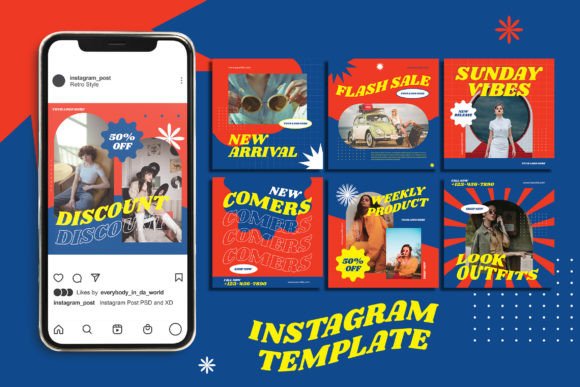
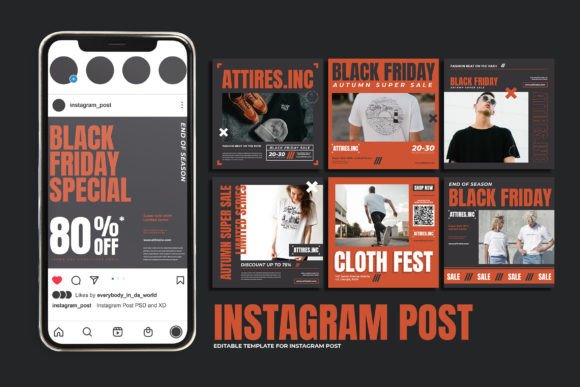
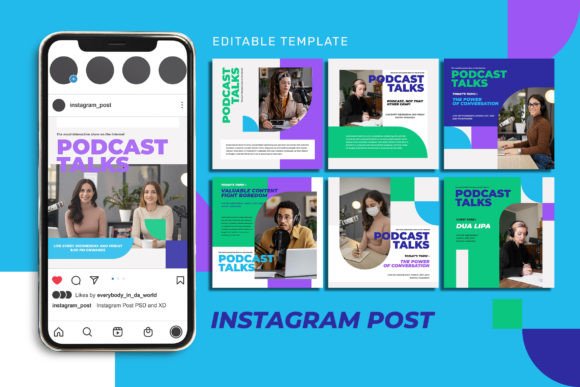
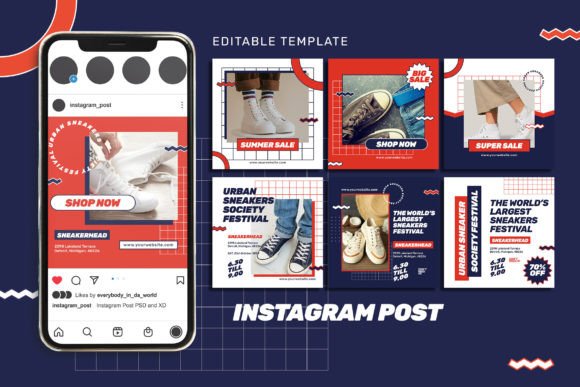
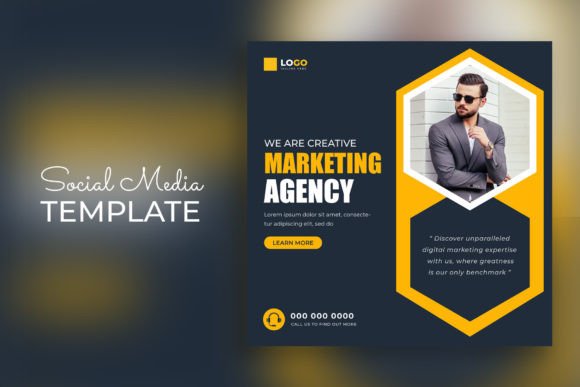
A well-designed template goes beyond mere aesthetics. It’s a strategic framework built for clarity, speed, and impact. The visual characteristics of a professional template are intentional. You'll often find a balanced composition with clear areas for a headline, body copy, a striking visual, and a strong call-to-action. The personality should align with your brand—whether that’s sleek and corporate, bold and energetic, or clean and minimalist. The overall appeal lies in its ability to make your content look polished and intentional, even when produced under tight deadlines. This consistency in style helps your audience instantly recognize your content in a crowded feed, building familiarity and trust over time.
Where This Template Truly Shines: Real-World Applications
The versatility of a robust social media post template is its greatest strength. It’s a foundational design asset that adapts to numerous contexts. Consider its utility in these scenarios:
- Agency and Corporate Branding: For a digital marketing agency, presenting client work in a cohesive manner is paramount. A unified set of templates ensures every campaign looks professional and aligned with the client's brand identity, not just the agency's style. Corporate teams can use them to maintain visual consistency across departments, from HR announcements to product launches.
- Entrepreneurs and Small Business Owners: Time is a precious commodity. A template library allows you to quickly create promotional posts, share testimonials, or announce sales without starting from a blank canvas each time. This efficiency lets you focus more on your business and less on design software.
- Content Creators and Influencers: Building a recognizable personal brand is key. Using a consistent set of templates for quotes, tips, or announcements helps solidify your visual identity. Your followers learn to associate the specific color palette, layout, and typography with your unique voice, increasing engagement and recognition.
- Marketing Campaigns: Launching a new product or service? A template system allows you to create a cohesive series of posts—teasers, launch day graphics, follow-up content—that tell a visual story. This maintains campaign momentum and ensures all materials feel like part of a single, strategic effort.
In essence, anyone who regularly communicates through social media graphics—from bloggers sharing weekly tips to publishers promoting new articles—benefits from the structure and professionalism a template provides.
Making It Your Own: Customization and Best Practices
The true power of a template is unlocked through thoughtful customization. A good template file, like the one described featuring easy customizable and editable Illustrator and EPS files, is designed for this purpose. Here’s how to leverage it effectively:
- Evaluate Fit Before Customizing: Does the template's style match your brand's personality? A highly ornate script font might not suit a fintech company, just as a rigid, geometric sans serif might feel out of place for a handmade crafts brand. Look at the overall structure first.
- Master the Text and Color Tools: Since all text is editable with the text tool, your first step is replacing the placeholder copy with your own. Pay close attention to hierarchy—make your headline the most prominent element. Next, easy to change the color scheme to match your brand's primary and secondary palettes. This single change makes the template feel uniquely yours.
- Test Your Font Pairings: While the template comes with suggested fonts, understanding font pairing is crucial. A common strategy is to combine a display font for headlines with a clean sans serif font or serif font for body text. Ensure the combination has good contrast and readability at small sizes. The provided free fonts are a starting point, but ensure any font you substitute is licensed for commercial use.
- Prioritize Readability and Visual Hierarchy: Your message must be understood in seconds. Use the template's built-in hierarchy to guide the viewer's eye from the most important element (like a key benefit) to the supporting details and finally to the call-to-action. Avoid cramming too much text; let the design breathe.
- Consider the Complete Design Ecosystem: A social media post doesn't exist in isolation. Think about how the template's style can influence other areas. The same modern typography and color logic can inform your logo design, web design elements, or packaging design. This creates a seamless brand identity across all touchpoints, from digital ads to printed materials.
Remember, the goal is not to use the template as a rigid cage, but as a flexible foundation. By investing a little time in initial setup and customization, you create a powerful tool that saves hours of design time, elevates your professional image, and ensures every post contributes to a stronger, more recognizable brand presence. It’s a practical step toward turning your social media activity into a strategic marketing asset.